

Dr. Volkan Çakır is a highly experienced Specialist in Interventional Radiology with over 15 years of experience. He completed his medical education at Dokuz Eylül University, School of Medicine, and further specialized in radiology. Dr. Çakır has held prominent positions such as Head of the Interventional Radiology Department and Associate Professor at reputed institutions in Turkey.
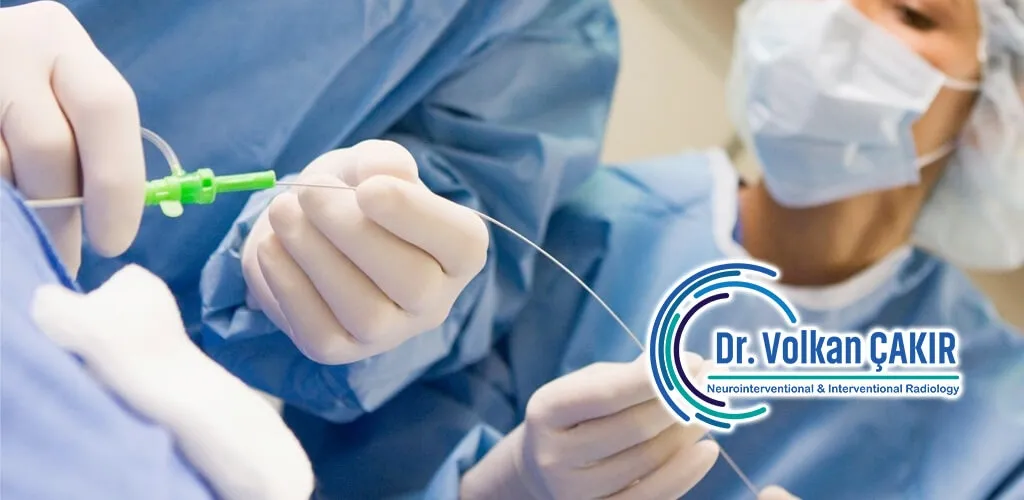
Modern medicine has rapidly evolved toward treatments that are safer, more precise, and less invasive. One of the most important innovations in this transformation is interventional radiology, a medical specialty that uses advanced imaging technologies to diagnose and treat diseases through minimally invasive procedures.
Instead of performing traditional surgery with large incisions, an interventional radiologist treats many conditions using tiny catheters, needles, and specialized devices guided by real-time imaging. These techniques allow doctors to target the exact location of disease while minimizing damage to surrounding tissues.
Today, interventional radiology is widely used to treat vascular diseases, cancer, chronic pain, and many other medical conditions. Because procedures are minimally invasive, patients often experience less pain, shorter hospital stays, and faster recovery times compared with conventional surgery.
Interventional radiology is a specialized field of medicine that performs minimally invasive, image-guided procedures for both diagnosis and treatment.
Interventional radiologists use sophisticated imaging technologies to guide medical instruments through the body with exceptional precision.
Common imaging tools include:
• Angiography
• Fluoroscopy
• Computed Tomography (CT)
• Magnetic Resonance Imaging (MRI)
• Ultrasound
These technologies allow physicians to visualize organs, blood vessels, and tissues in real time. Using this guidance, the doctor can navigate small instruments through the body to reach the treatment area without the need for open surgery.
Most interventional radiology procedures begin with a small skin puncture, often only a few millimeters in size. Through this small entry point, the doctor inserts a thin catheter or needle into a blood vessel or targeted organ.
Using imaging guidance, the device is carefully advanced to the treatment site. Once the device reaches the correct location, the physician can perform various therapeutic interventions such as:
• Opening blocked arteries
• Delivering medication directly to tumors
• Stopping internal bleeding
• Removing blood clots
• Draining infections or fluid collections
Because the procedure targets only the diseased area, surrounding tissues remain largely unaffected.
An interventional radiologist is a medical doctor who specializes in both diagnostic imaging and minimally invasive treatments.
Training typically includes:
• Medical school
• Residency in radiology
• Advanced fellowship in interventional radiology
• Extensive procedural training in image-guided therapies
This combination of imaging expertise and procedural skill allows interventional radiologists to diagnose diseases and treat them using catheter-based therapies rather than traditional surgery.
Many interventional radiologists are certified by international professional organizations such as the Society of Interventional Radiology and the Cardiovascular and Interventional Radiological Society of Europe, which establish standards for safety and clinical practice.
One of the major strengths of interventional radiology is its ability to treat diseases affecting many different organs and body systems.
Interventional radiologists frequently treat diseases involving arteries and veins.
Common vascular conditions include:
• Peripheral artery disease
• Deep vein thrombosis
• Varicose veins
• Aneurysms
• Venous insufficiency
Using catheter-based techniques, doctors can restore blood flow, remove clots, or repair blood vessels without major surgery.
Interventional radiology plays a vital role in modern cancer care by delivering targeted treatments directly to tumors.
Examples include:
• Tumor ablation (destroying tumors with heat, cold, or microwave energy)
• Chemoembolization
• Radioembolization
• Image-guided biopsy
These treatments focus therapy on the tumor while protecting healthy tissue.
Many gynecological conditions can be treated without surgery using interventional radiology procedures.
Common treatments include:
• Uterine fibroid embolization
• Pelvic congestion syndrome treatment
• Fallopian tube recanalization
These minimally invasive options often preserve fertility and avoid hysterectomy.
Interventional radiologists also treat disorders of the digestive system and liver.
Examples include:
• Liver tumors
• Portal hypertension
• Biliary obstruction
• Abscess drainage
Image-guided procedures allow safe access to deep organs without large surgical incisions.
Interventional radiologists perform hundreds of different procedures. Some of the most commonly performed treatments include:
Angioplasty is used to open blocked arteries.
During the procedure:
• A catheter is inserted into a blood vessel
• A balloon is inflated to widen the artery
• A stent may be placed to keep the artery open
This restores blood flow and reduces the risk of complications such as stroke or limb ischemia.
Tumor ablation destroys cancer cells using energy delivered directly to the tumor.
Methods include:
• Radiofrequency ablation
• Microwave ablation
• Cryoablation
These procedures are commonly used for tumors in the liver, kidneys, lungs, and bones.
Embolization works by blocking abnormal blood vessels to treat a variety of diseases.
Applications include:
• Uterine fibroid treatment
• Tumor therapy
• Stopping internal bleeding
• Treating aneurysms
• Managing vascular malformations
By cutting off the blood supply, the targeted tissue shrinks or bleeding stops.
Biopsy procedures help doctors diagnose diseases such as cancer or infection.
Using CT or ultrasound guidance, the interventional radiologist guides a thin needle directly into the suspicious tissue to obtain a small sample for laboratory analysis.
This method improves diagnostic accuracy while minimizing complications.
Fluid collections or infections inside the body can cause pain and serious complications.
Interventional radiologists can safely drain:
• Abscesses
• Pleural fluid
• Abdominal fluid collections
• Obstructed bile ducts
• Kidney obstructions
These procedures often provide rapid symptom relief.
Minimally invasive image-guided procedures offer several important advantages over traditional surgery.
Most procedures require only a tiny skin puncture, which reduces tissue damage and scarring.
Patients typically recover more quickly and return to normal activities sooner.
Because large surgical cuts are avoided, postoperative pain is significantly lower.
Many procedures are performed as outpatient treatments, allowing patients to return home the same day.
Advanced imaging allows doctors to treat the exact location of disease while preserving surrounding healthy tissue.
Interventional radiologists frequently collaborate with physicians from many specialties, including:
• Oncology
• Cardiology
• Vascular surgery
• Gastroenterology
• Urology
• Gynecology
This multidisciplinary approach ensures that each patient receives the most appropriate and effective treatment plan.
For many patients, minimally invasive therapies offer an attractive alternative to traditional surgery.
Benefits include:
• Lower complication rates
• Shorter recovery time
• Less pain and scarring
• Reduced need for general anesthesia
• Faster return to daily activities
Because of these advantages, interventional radiology has become one of the fastest-growing specialties in modern medicine.
Interventional radiology has transformed how many diseases are treated. By combining advanced imaging technologies with minimally invasive techniques, interventional radiologists can diagnose and treat complex conditions with exceptional precision.
For patients seeking safer and more effective alternatives to surgery, image-guided treatments provide a modern solution that reduces recovery time, minimizes complications, and improves overall outcomes.
Consulting an experienced interventional radiologist can help determine whether a minimally invasive treatment is the right option for your medical condition.
 Questions and Answers<
Interventional Radiology (IR) is a medical specialty that uses minimally invasive imaging techniques, such as X-rays, CT scans, and ultrasound, to guide procedures. These procedures can treat a wide range of conditions, such as cancer, cardiovascular disease, and certain infections, without the need for traditional surgery.
Interventional Neuroradiology (INR) is a subspecialty of radiology that focuses on the diagnosis and treatment of conditions affecting the brain, spine, and neck using minimally invasive techniques. Procedures in INR are guided by advanced imaging techniques such as angiography, CT, and MRI.